
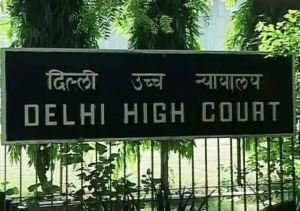
15.06.2026: Delhi High Court Upholds Seven-Day Prior Notice Before Arrest in GST Investigation
Facts of the Case:
In this case, the DGGI initiated an investigation based on intelligence inputs indicating large-scale issuance of e-way bills without corresponding GST return filings. During verification, the registered business premises were found to be non-existent, and inquiries revealed that the company was operating from a virtual office facility. The directors of the company, namely Girish Sachdeva, Harish Sachdeva, and Abhinav Bardhan, were summoned and their statements were recorded. They claimed to be engaged in textile and mineral trading and disclosed details of suppliers and customers. The department alleged that the company had availed and passed on fraudulent input tax credit through circular trading, causing tax evasion exceeding ₹8 crore. Multiple summons were issued under Sections 70 and 174 of the CGST Act requiring appearance and production of records, but according to the department, the directors failed to cooperate fully with the investigation.
Apprehending arrest, the directors approached the Sessions Court seeking anticipatory bail. The Additional Sessions Judge dismissed the anticipatory bail applications but directed the GST authorities to provide seven days’ prior notice before taking any coercive action, including arrest, thereby enabling the applicants to avail appropriate legal remedies.
Issue:
Whether the Sessions Court was justified in directing the GST Department to give seven days’ prior notice before taking any coercive action against the respondents when anticipatory bail had been declined. Also whether such a direction amounted to granting impermissible blanket protection against arrest and whether it interfered with the statutory powers of investigation and arrest under the CGST Act.
Held That:
The Court observed that economic offences involving tax evasion are undoubtedly serious and have significant implications for the financial health of the country. However, it noted that, at the stage when the anticipatory bail applications were considered, the investigation was still underway and only summons had been issued to the respondents. Significantly, the GST Department itself admitted that no proposal seeking approval from the Commissioner for arrest of the respondents had been moved and that there was no immediate intention to arrest them.
The Court held that although there was no imminent threat of arrest, it could not be said with certainty that arrest would never occur in the future, given the ongoing investigation. In such circumstances, the Sessions Court had rightly declined anticipatory bail while simultaneously directing that seven days’ prior notice be given before any coercive action. The High Court clarified that the impugned orders did not grant blanket immunity from arrest or investigation. The respondents were specifically directed to join and cooperate with the investigation whenever required, and the GST authorities remained free to proceed in accordance with law in case of non-cooperation.
Rejecting the department’s contention that the directions amounted to blanket anticipatory bail, the Court emphasized that the notice requirement merely provided the respondents an opportunity to seek appropriate legal remedies if and when coercive action was contemplated. The Delhi High Court dismissed all three petitions filed by the GST Department and upheld the directions issued by the Sessions Court.
Case Name: Directorate General of GST Intelligence v. Girish Sachdeva dated 05.06.2026
To read the complete judgement 2026 Taxo.online 1576