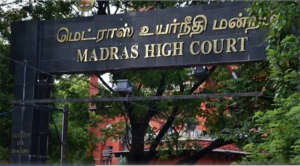
13.08.2026: Madras High Court Extends Relief to Taxpayers in Landmark GST Amnesty u/s 128A: Self-Assessed Tax Cases Eligible for Waiver; Circular Cannot Override Statute
 Facts of the Case:
A batch of writ petitions was filed before the Madras High Court challenging the rejection of their applications filed under the GST Amnesty Scheme introduced through Section 128A of the CGST/TNGST Acts. The Amnesty Scheme was enacted to provide relief from interest and penalty in respect of demands raised under Section 73 for the period from 1 July 2017 to 31 March 2020, provided the taxpayer paid the entire tax amount within the prescribed time.
The petitioners had filed applications in Forms GST SPL-01 or GST SPL-02 seeking waiver of interest and penalty after discharging the principal tax liability. However, their applications were rejected primarily on the ground that the underlying demand related to self-assessed tax liability arising from delayed filing of GSTR-3B returns, delayed reporting of outward supplies, or mismatches between GSTR-1 and GSTR-3B returns. The authorities relied heavily on Serial No. 4 of Circular No. 238/32/2024-GST dated 15.10.2024, which clarified that interest arising from self-assessed tax recoverable under Section 75(12) would not qualify for waiver under Section 128A.
In several cases, the taxpayers had initially succeeded in obtaining orders in Form GST SPL-05 granting waiver under Section 128A. Subsequently, the authorities issued separate “void orders” declaring the earlier approval orders ineffective on the ground that the demands related to self-assessed tax and were therefore not eligible for amnesty benefits. In some instances, the authorities also passed rejection orders beyond the timelines prescribed under Rule 164 of the GST Rules.
A separate category of petitions involved taxpayers who had filed waiver applications after the expiry of the prescribed period or had failed to make payment of tax within the time stipulated under the scheme. These taxpayers challenged the rejection of their applications by contending that the time limits prescribed under Rule 164 were merely directory and not mandatory.
The common grievance of the petitioners was that the GST authorities had adopted an unduly restrictive interpretation of Section 128A, thereby frustrating the very purpose of the Amnesty Scheme which was introduced to provide relief to taxpayers facing difficulties during the initial years of GST implementation.
Issue:
Whether demands relating to self-assessed tax liability recoverable under Section 75(12) of the GST Act were excluded from the scope of Section 128A and consequently disentitled from the benefit of waiver of interest and penalty under the Amnesty Scheme. Whether Circular No. 238/32/2024-GST could validly restrict the scope of Section 128A by excluding self-assessed tax cases from the scheme. Whether the time limits prescribed under Rule 164 for filing applications and for passing orders under the Amnesty Scheme were mandatory or merely directory.
Held That:
Rejecting the Revenue’s principal argument, the Court held that there is no express or implied exclusion of self-assessed tax liabilities from the scope of Section 128A. The Court observed that Section 128A was enacted long after Section 75(12) and begins with a broad non obstante clause “notwithstanding anything to the contrary contained in this Act.” If Parliament intended to exclude self-assessed tax cases from the amnesty scheme, it could have expressly done so. The absence of such exclusion was considered significant. The Court emphasized that Section 75(12) merely enables direct recovery of admitted self-assessed tax under Section 79 without undergoing adjudication under Section 73. It does not create a statutory bar against availing the Amnesty Scheme where the Department itself has chosen to proceed under Section 73.
The Court further held that Circular No. 238/32/2024-GST could not curtail or restrict the scope of a statutory provision. Therefore, the clarification contained in the Circular excluding self-assessed tax cases from the benefit of Section 128A was held to be contrary to the statutory scheme and incapable of denying benefits otherwise available under the Act.
Further, the Court held that Rule 164 permits an order granting waiver in Form GST SPL-05 to become void only in the limited circumstances specified under sub-rules (16) and (17), namely where the taxpayer fails to pay certain additional amounts required under the scheme. Outside these expressly prescribed situations, neither Section 128A nor Rule 164 authorizes the GST authorities to issue a separate order declaring an already granted waiver order void. Consequently, the void orders issued by the authorities were held to be without jurisdiction and invalid.
At the same time, the Court clarified that where the authorities fail to pass an order within the time prescribed under Rule 164(13), the application would be deemed approved and proceedings deemed concluded under Rule 164(14), provided the applicant satisfies the substantive conditions contained in Section 128A.
Applying these principles, the Court set aside all rejection orders and void orders that were founded solely on the ground that the underlying demand pertained to self-assessed tax or delayed filing of returns. The Court held that such taxpayers were entitled to the benefit of waiver under Section 128A. However, the Court upheld the rejection of applications that were filed beyond the statutory time limit or where the requisite tax payment had not been made within the prescribed period, holding that such conditions were mandatory and constituted an essential part of the Amnesty Scheme.
Case Name: Incompressible Fluid Control System vs The Assistant Commissioner dated 28.07.2026
Citation No. 2026 Taxo.online 2357