 Facts of the Case:
In this case, the petitioner was engaged in the supply of goods. The goods were transported from Kanpur with all requisite documents, including tax invoice, e-way bill, and consignment note. During transit, the vehicle was intercepted by GST authorities, and Form MOV-02 was issued on the same day, leading to detention of the goods and vehicle. Despite repeated representations by the petitioner seeking release of the goods and asserting ownership, the authorities insisted on her personal appearance, citing doubts about the genuineness of her firm based on a report from Uttar Pradesh GST authorities alleging it to be a bogus entity. The petitioner requested permission to appear through an advocate, which was denied.
Notably, even after more than four months from the date of interception, no formal order of seizure or detention was passed by the authorities. Additionally, the consignee expressed objection to release of goods without its consent. Aggrieved by the continued detention and procedural inaction, the petitioner approached the High Court seeking release of goods and vehicle.
Issue:
Whether GST authorities could (i) detain goods for an extended period without passing a formal order under Section 129 of the CGST Act, (ii) insist on the personal appearance of the taxpayer despite statutory provisions allowing representation through an advocate, and (iii) disregard documentary evidence while determining ownership of goods.
Held That:
The High Court observed that mere issuance of Form MOV-02 does not amount to a valid detention order and must be followed by appropriate proceedings under Section 129 within a reasonable time. The failure to pass any formal order even after four months rendered the continued detention unsustainable in law.
The Court further held that ownership of goods must be determined on the basis of accompanying documents such as invoice and e-way bill, in line with the CBIC Circular dated 31.12.2018, and authorities cannot ignore such evidence based on mere suspicion. It also categorically ruled that insistence on personal appearance of the petitioner was unjustified, as Section 116 of the CGST Act permits representation through an authorized representative, including an advocate.
Accordingly, the Court directed the authorities to grant a hearing (allowing representation through counsel), permit the petitioner to deposit tax and penalty under Section 129(1)(a), and pass a reasoned order under Section 129(5) within a strict timeframe. It was further directed that upon such payment, the goods and vehicle must be released in accordance with law, while preserving the petitioner’s right to challenge the order before the appropriate appellate authority.
The High Court held that the conduct of the GST authorities was arbitrary and contrary to the statutory framework of the CGST Act.
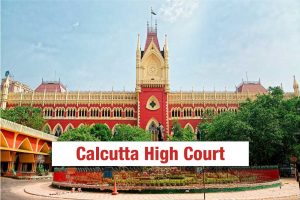
Case Name: Nishu Versus The Union of India & Ors. dated 07.04.2026
To read the complete judgement 2026 Taxo.online 838