
04.09.2026: Deletion of Rule 96(10) of the CGST Rules has retrospective procedural benefit for pending proceedings: Madras High Court
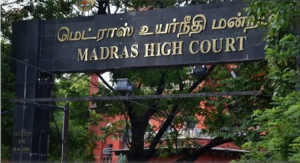 Facts of the Case:
In this case, a batch of writ petitions was heard by the Madras High Court concerning the validity and consequential proceedings arising from Rule 96(10) of the CGST Rules, 2017, which restricted exporters from availing the facility of export under LUT/bond in specified circumstances. In some petitions, including W.P. No. 33675 of 2026 filed by M/s Global Calcium Pvt. Ltd., the petitioners challenged proceedings initiated by the department, including a detailed order dated 28.04.2026 and consequential DRC-07, contending that Rule 96(10) was ultra vires Section 16 of the IGST Act and the Constitution.
Other petitions challenged SCNs, orders-in-original and, in certain cases, sought refund of amounts already remitted pursuant to such proceedings. The petitioners relied upon the Gujarat High Court’s decision in Addwrap Packaging Pvt. Ltd. v. Union of India, which held that the omission of Rule 96(10) with effect from 08.10.2024 would also benefit assessees whose proceedings were pending as on that date. They further pointed out that the said decision had subsequently been affirmed by the Supreme Court in Goodluck India Ltd. v. Union of India.
Issue:
Whether the omission of sub-rule (10) of Rule 96 of the CGST Rules, 2017 with effect from 08.10.2024 by Notification No. 20/2024 would operate in favour of assessees in respect of proceedings that were already pending on the date of such omission, including pending SCNs, adjudication orders and consequential refund claims?
Held That:
The Madras High Court, in its common order dated 31.08.2026, held that the controversy concerning the effect of omission of Rule 96(10) of the CGST Rules, 2017 stood conclusively settled by the decision of the Gujarat High Court in Addwrap Packaging Pvt. Ltd. v. Union of India and its subsequent affirmation by the Supreme Court in M/s Goodluck India Ltd. v. Union of India. The Court noted that Rule 96(10) had been omitted by Notification No. 20/2024 with effect from 08.10.2024. The Gujarat High Court had already held that such omission would enure to the benefit of assessees even in respect of proceedings that were pending on the date of omission.
The Court particularly relied upon the Supreme Court’s order dated 06.08.2026 in Goodluck India Ltd., wherein the Supreme Court upheld the principle that omission of Rule 96(10) applies to all pending proceedings. The Supreme Court considered whether the omitted provision could continue to operate in pending proceedings concerning refund of IGST paid on exports. It noted that Rule 96(10) had been omitted without any saving clause. Applying the principle laid down by the Constitution Bench in Kolhapur Canesugar Works Ltd. v. Union of India, the Supreme Court held that an omitted rule is obliterated from the statute book and proceedings under the omitted provision cannot continue unless there is an express saving provision or some statutory mechanism preserving such proceedings.
The Supreme Court also rejected the Revenue’s reliance on the GST Council’s recommendation that the omission of Rule 96(10) should operate prospectively. The Court noted that the Council’s recommendation was advisory and was not binding upon the rule-making authority. More importantly, the notification omitting Rule 96(10) contained neither a saving clause nor a sunset mechanism preserving the operation of the omitted provision in pending matters. Therefore, the mere fact that the proceedings had been initiated when Rule 96(10) was in force could not justify its continued application after its omission.
The Supreme Court further observed that Rule 96(10) had been omitted because its operation was causing “unnecessary complications without any intended benefit being served.” In the absence of a saving provision, the legislative intention could not be construed as permitting those very complications to continue in respect of pending proceedings. Consequently, the restriction contained in the omitted Rule 96(10) could no longer be applied to pending refund proceedings. The Supreme Court accordingly declined to interfere with the Gujarat High Court’s judgment.
Following the binding position laid down by the Supreme Court, the Madras High Court held that the deletion of Rule 96(10) with effect from 08.10.2024 would enure to the benefit of all assessees in pending proceedings. Thus, where proceedings had been initiated under Rule 96(10), but remained pending as on 08.10.2024, the department could not continue to apply the restrictions contained in the omitted provision. The Court accordingly disposed of the batch of writ petitions in the light of Addwrap Packaging and Goodluck India.
The Court further clarified that the principle would extend not merely to petitions directly challenging the constitutional validity of Rule 96(10), but also to consequential proceedings, including SCNs, orders-in-original and cases where amounts had already been remitted and refund was claimed. Such proceedings and refund claims were directed to be processed in accordance with the settled legal position resulting from the omission of Rule 96(10).
Case Name: M/s.Global Calcium Pvt Limited vs Union of India dated 31.08.2026
Citation No. 2026 Taxo.online 2617