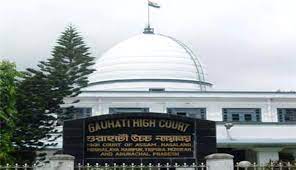
20.07.2026: Guwahati High Court Excludes Time Spent in Rectification Proceedings, Protects Taxpayer from Limitation Trap.
 Facts of the Case:
In this case, the petitioner was subjected to proceedings under Section 73 of the CGST Act on the allegation of excess availment of Input Tax Credit (ITC) for FY 2020-21 due to a mismatch between GSTR-3B and GSTR-2A. The adjudicating authority confirmed the demand of excess ITC, interest and penalty through an Order-in-Original dated 03.01.2025. Instead of immediately filing an appeal, the petitioner invoked the rectification provisions under Section 161 of the CGST Act within the prescribed time, contending that the mismatch occurred because the supplier had filed GSTR-1 belatedly and that no wrongful ITC had been claimed. After the rectification application was rejected, the petitioner filed an appeal under Section 107 of the CGST Act.
The Appellate Authority dismissed the appeal as time-barred on the ground that it had been filed beyond the maximum condonable period of four months from the date of the original order, without considering the period spent in pursuing the rectification proceedings. Challenging this decision, the petitioner approached the Gauhati High Court, contending that the time spent in bona fide prosecution of the rectification application ought to be excluded while computing the limitation period for filing the statutory appeal.
Issue:
Whether the time spent in pursuing a rectification application under Section 161 of the CGST Act can be excluded while computing limitation for filing an appeal under Section 107, and whether the writ petition is maintainable despite the availability of a further appeal under Section 112.
Held That:
The Court observed that exclusion of time under Section 14 is fundamentally different from condonation of delay under Section 5 and is available where a litigant has prosecuted another statutory proceeding relating to the same subject matter with due diligence and in good faith. Since the petitioner had filed the rectification application under Section 161 within the statutory period and had pursued the remedy diligently and bona fide, the period from 08.03.2025 to 24.04.2025 was required to be excluded while computing limitation for filing the appeal under Section 107.
Upon such exclusion, the appeal was found to have been filed within the extended condonable period contemplated under Section 107(4). The Court further held that where an appeal is filed within the condonable period but without a separate application for condonation of delay, the Appellate Authority cannot reject it mechanically. It is under a statutory obligation to afford the appellant a reasonable opportunity to explain the delay and thereafter determine whether sufficient cause exists for condonation.
Since no such opportunity had been granted, the impugned appellate order was held to be legally unsustainable. The High Court accordingly quashed the Order-in-Appeal and remanded the matter to the Appellate Authority to permit the petitioner to file a delay condonation application and thereafter decide the appeal on merits in accordance with law.
Case Name: Debabrata Bhowmick Versus The Union of India, Office of the Commissioner [Appeals], CGST, Central Excise and Customs, CGST, Central Excise and Customs, Guwahati, The Superintendent of CGST Nagaon, Assam. Dated 24.06.2026